Nvidia is known as the company that powers much of today’s artificial intelligence, especially through its powerful GPUs used in AI training and inference. Now, the chipmaker is setting its sights on a much broader ambition: to become the default platform for generalist robotics, much like Android became the backbone for smartphones around the world. (TechCrunch)
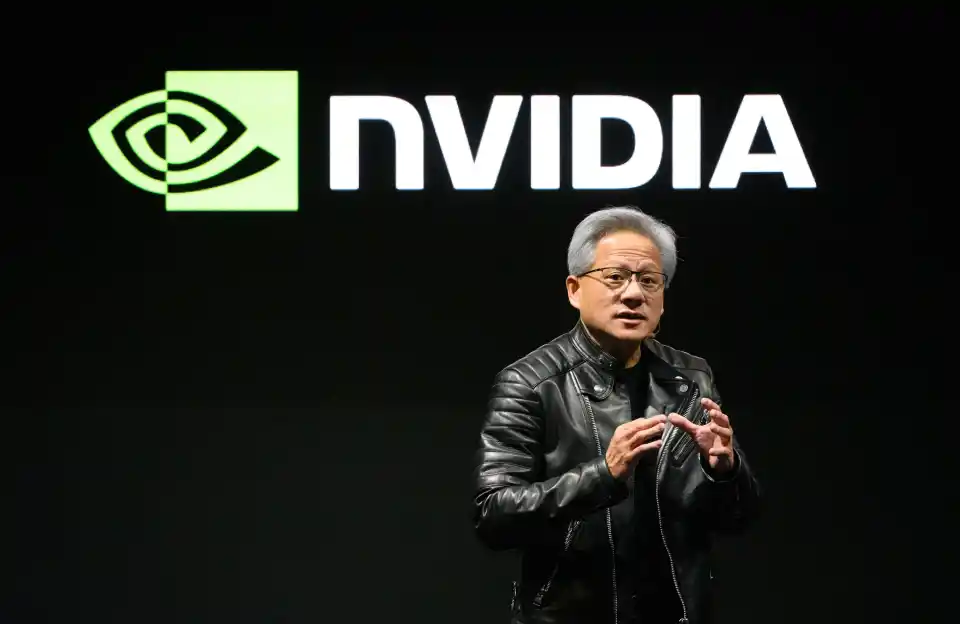
This goal came into focus at CES 2026 in Las Vegas, where Nvidia outlined its full-stack robotics strategy, including hardware, software tools, open models, and partnerships that aim to make it easier for developers to build versatile robots that can reason, adapt, and work across many tasks. (TechCrunch)
Here’s a closer look at what Nvidia is doing, why it matters, and how this could shape the next generation of robotics.
A Platform for Robots, Not Just Chips
Traditionally, Nvidia has built its reputation selling high-performance processors that power data centers, AI research clusters, and edge devices. But with robotics, the company is moving beyond selling components. It wants to be the foundation that robot makers build on, providing both the brains and the tools to train, simulate, and deploy AI in physical machines. (TechCrunch)
This includes:
- High-performance, energy-efficient computing that can run AI on a robot itself
- Open robotics software and simulation tools
- Integration with large developer communities and training platforms
- Partnerships that connect hardware and software in a seamless way
This strategy mirrors how Android became the dominant operating system in mobile phones. Rather than controlling every part of the ecosystem, Android provided a base layer that hardware makers, app developers, and service providers could build on. Nvidia wants a similar role in robotics.
Bringing Together Software and Hardware
At the heart of Nvidia’s robotics push are technologies that help robots think and act in the real world. This includes robot foundation models, shared simulation environments, and frameworks that let developers train and test robot behaviors more easily.
What makes these tools important is not just that they work well, but that they are widely accessible. By integrating Nvidia’s robotics stack with platforms like Hugging Face’s LeRobot framework, Nvidia is connecting its robotics technologies with a vast community of AI developers, making it easier for people without expensive hardware or specialized expertise to experiment with robot training. (TechCrunch)
This openness could be a turning point for robot development, lowering barriers for innovators and speeding up the pace of real-world applications.
Why This Approach Matters for Generalist Robotics
Most robots today are very good at specific tasks, such as vacuuming floors, moving objects in a warehouse, or running simple assembly jobs in factories. These are examples of narrow robotics, where machines are trained for one kind of job.
Generalist robotics, on the other hand, aims to create machines that can handle a wide range of tasks and adapt to new situations. A general-purpose robot might be able to help with manufacturing one day, assist in a lab the next, and operate in entirely new environments without retraining from scratch.
Getting there requires advances in both hardware and software:
- Robots need efficient on-device AI compute that can sense, plan, and act
- Developers need tools to train and simulate intelligent behavior at scale
- Open frameworks are needed so innovation is not limited to a small set of companies
Nvidia’s strategy brings all these elements together in one ecosystem.
Partnerships and the Developer Community
One of the standout moves from Nvidia’s robotics strategy is its emphasis on collaboration. By working with major robotics developers and integrating with existing platforms, Nvidia is positioning itself as a hub in a growing network of robot makers and AI researchers.
This matters because innovation in robotics rarely happens in isolation. Hardware, software, simulation, and real-world testing must all come together. By providing an open ecosystem, Nvidia lowers the cost and complexity of building advanced robots, which could accelerate real-world adoption.
What This Means for the Industry
If Nvidia succeeds in becoming the “Android of robotics,” it could reshape how robots are built and deployed. We might see:
- Faster development cycles for new robots
- More interoperability between hardware and software
- A broader range of general-purpose robots capable of complex tasks
- Increased innovation from smaller teams and startups thanks to accessible tools
For companies and developers, this could open new opportunities in industries ranging from logistics and manufacturing to healthcare and home automation.
Final Take for TechInsighter Readers
Nvidia’s push into generalist robotics is more than a marketing slogan. It reflects a strategic shift toward enabling a broader robotics ecosystem that connects powerful computing, accessible tools, and wide developer engagement.
By aiming to be the default platform for robotics development, Nvidia is laying the groundwork for a world where robots are not limited to narrow tasks but can learn, adapt, and work across environments much like smartphones transformed our digital lives.
If you follow AI, hardware innovation, or the future of automation, this is one of the most interesting moves in tech right now. It could very well shape how robots are made and used for years to come.