Why This Gaming Avatar Deal Matters More Than It Looks
Netflix has made another interesting move that shows it is thinking far beyond movies and TV shows. The company is acquiring Ready Player Me, a startup known for building customizable 3D avatars used across games, apps, and virtual worlds. On the surface, this might look like a niche gaming purchase, but in reality, it signals a much bigger ambition for where Netflix wants to go next.
Let’s break down what this acquisition really means, why Netflix is doing it now, and how it could change the way users interact with the platform in the future.
What Ready Player Me Actually Does
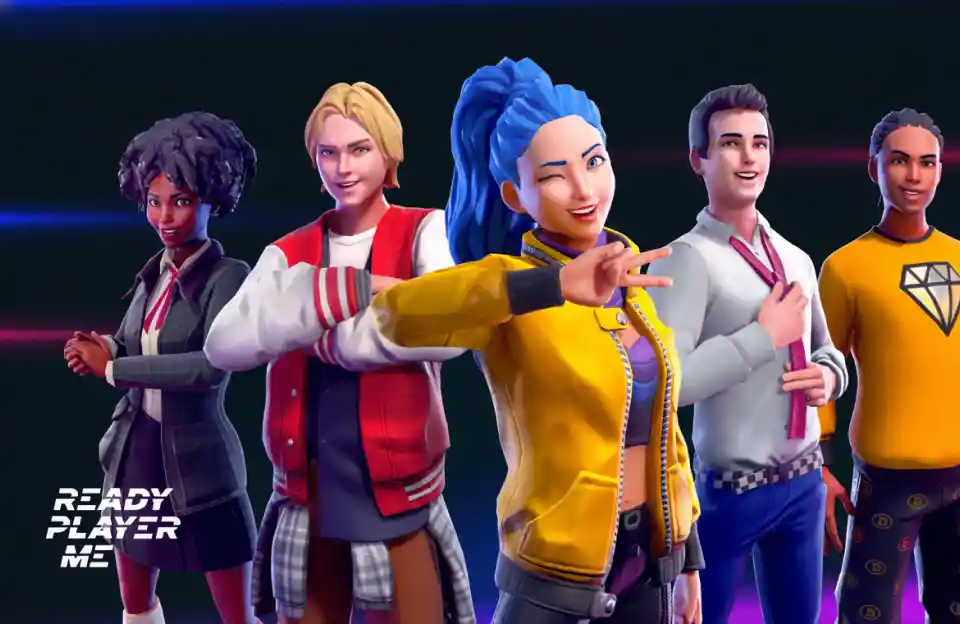
Ready Player Me creates digital avatars that users can design once and then reuse across multiple platforms. Instead of building a new character in every game or virtual space, users carry the same digital identity with them wherever it is supported.
This idea has gained serious traction as games, social platforms, and immersive experiences start to overlap. Your avatar becomes your online identity, not just a character inside one app.
Why Netflix Is Interested
Netflix has been steadily experimenting with interactive content and games for a few years now. This acquisition fits neatly into that long term vision.
First, gaming is becoming a core engagement strategy. Netflix games are already available inside the app, and avatar technology can make those games more personal and social.
Second, personalization is evolving. Netflix already personalizes recommendations, but avatars add a human layer. Users are no longer just profiles. They become characters with a visual identity.
Third, immersive experiences are growing fast. Whether people call it the metaverse or not, virtual environments, AR, and VR are becoming more common. Owning avatar technology gives Netflix flexibility to move into these spaces when the time is right.
Finally, this opens the door to new engagement models. Games, interactive stories, and virtual experiences give users more reasons to spend time inside the Netflix ecosystem, even when they are not watching a show.
How This Could Show Up for Users
Netflix is unlikely to turn into a virtual world overnight. But this technology creates several clear possibilities.
In gaming, users could play Netflix games using a personalized avatar that feels consistent across titles.
In interactive storytelling, avatars could appear inside narrative experiences where viewers influence the outcome of the story.
In social features, Netflix could experiment with virtual watch parties or community spaces where users appear as avatars instead of static profiles.
There is also room for customization and digital items, which could become a new layer of engagement or even monetization in the future.
Why This Is a Strategic Move
Ready Player Me already works with hundreds of developers and platforms. By acquiring the company, Netflix gains both technology and industry relationships. This is not just about building one feature. It is about owning a foundational piece of digital identity infrastructure.
Instead of relying on third party systems, Netflix now has control over how identity, personalization, and presence work across future experiences.
What This Means for Netflix Subscribers
Most users will not feel the impact immediately. There will not be avatars walking around the Netflix homepage tomorrow.
But over time, users may notice more interactive elements, deeper gaming features, and experiences that feel more personal and immersive. Netflix is slowly shifting from a passive entertainment platform into something more dynamic.