
How a Trusted Media Giant Is Reinventing Itself for the Modern Internet
The BBC has been one of the most trusted names in global news for generations. As we move into 2026, the organization is once again changing how it connects with audiences around the world. This time, the focus is firmly on digital platforms, mobile experiences, and meeting people where they already consume news.
What makes this shift interesting is not just the technology itself, but how the BBC is trying to modernize without losing the credibility that made it a global institution in the first place.
A Clear Move Toward Digital First Thinking
For decades, the BBC built its influence through television and radio. Those channels still matter, but audience behavior has changed fast. News consumption today happens on phones, apps, and social feeds, often in short bursts rather than scheduled broadcasts.
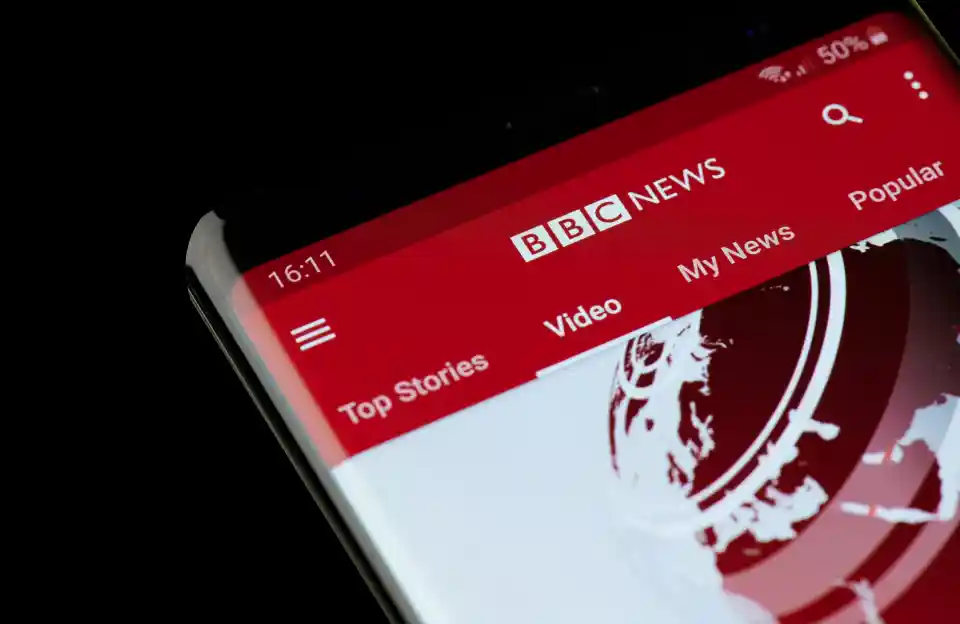
In response, the BBC has been reshaping its global digital presence. Its redesigned website and mobile app aim to feel faster, cleaner, and more relevant to international audiences. Instead of acting as a simple news feed, the platform curates stories, videos, and explainers based on what users care about most.
This shift shows a clear acknowledgment that the future of news is not just about reporting facts quickly, but presenting them in a way that fits modern habits.
Balancing Public Service and Commercial Reality
One of the BBC’s biggest challenges has always been balancing its public service mission with financial sustainability. In the UK, it is funded largely by the licence fee. Internationally, its digital operations rely on commercial revenue through BBC Studios.
As digital costs rise and competition from tech platforms intensifies, the BBC is leaning more into global digital monetization while trying to protect editorial independence. This is not an easy balance, but it is a necessary one if the organization wants to keep investing in quality journalism.
From a reader’s point of view, this means better apps, improved user experience, and broader access to BBC content across regions.
Trust Still Matters More Than Speed
In a time when misinformation spreads faster than facts, trust has become one of the BBC’s strongest assets. Many audiences still turn to the BBC when major global events unfold, precisely because of its reputation for careful and impartial reporting.
That trust, however, cannot be taken for granted. The BBC faces criticism from different sides, often accused of bias by opposing viewpoints at the same time. This pressure makes its commitment to editorial standards even more important as it expands digitally.
Technology may change how news is delivered, but credibility remains the foundation.
Why This Matters Beyond the BBC
The BBC’s transformation is not just about one media company. It reflects a larger shift happening across global journalism. Legacy news organizations are being forced to rethink everything, from how stories are told to how audiences engage with them.
For readers, this evolution means easier access to reliable information in a crowded digital space. For media and tech observers, it offers a case study in how long standing institutions can adapt without abandoning their core values.
Final Take for TechInsighter Readers
The BBC’s digital evolution in 2026 shows that even the most established media brands must keep evolving. By investing in digital platforms while holding onto its editorial principles, the BBC is attempting something difficult but necessary.
It is not just trying to survive the digital age. It is trying to shape it.
For anyone watching the future of news, technology, and global information flow, the BBC’s journey is worth paying close attention to.

