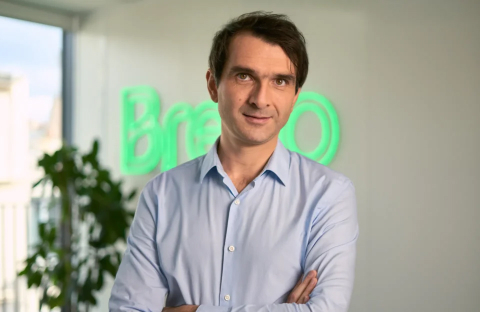
Last summer, Roy Lee told reporters that Cluely had reached $7 million in annual recurring revenue, a metric often used by startups to show steady income growth from subscriptions or software services. But recently, Lee revealed that the figure was simply not true.
In his public statement, Lee described the revenue claim as “the only blatantly dishonest thing” he had said publicly online and issued what he called a formal retraction.
However, the explanation around how the number came out has also been disputed. Lee initially suggested the figure came from a random call where he casually gave rough numbers, but reports indicate that the conversation happened after Cluely’s PR team arranged an interview with a reporter.
In other words, the claim about revenue did not appear out of nowhere. It happened during a planned media interaction.
A Startup That Has Already Been Controversial
Cluely itself is not a typical startup story. Founded in 2025 in San Francisco, the company first gained attention for an AI tool designed to provide real-time answers during meetings, interviews, and conversations.
Early marketing campaigns even leaned into the controversial idea of helping users “cheat” during job interviews or other situations. That bold positioning helped the startup go viral online but also drew criticism from industry observers and competitors.
Despite the controversy, Cluely managed to raise significant venture capital funding, including a major round led by Andreessen Horowitz.
This combination of viral marketing, rapid funding, and now an admitted revenue misstatement has made the company a frequent topic of debate in startup circles.
Why This Matters for the Startup Ecosystem
Startups often share growth metrics publicly to attract investors, customers, and media attention. Metrics like ARR, monthly active users, and growth rates are commonly used to signal traction and momentum.
But this case highlights an uncomfortable reality: not every number presented by early-stage companies is independently verified.
Lee’s admission is rare because founders rarely publicly acknowledge exaggerating or fabricating numbers. In most cases, such issues come to light only through investigations, investor disputes, or legal action.
That is why the incident is drawing broader discussion about due diligence, founder accountability, and how startup metrics should be reported and verified.
What Happens Next for Cluely
At the moment, Lee’s confession does not automatically mean legal trouble or company collapse. Many startups recover from early controversies, especially if their products continue to grow and attract users.
However, trust plays a major role in startup ecosystems. Investors, partners, and customers rely heavily on the credibility of founders when evaluating young companies.
Cluely will likely face increased scrutiny going forward, particularly around its real growth numbers and product adoption.