A Strategic Bet on the Next Frontier in Human-AI Interaction
OpenAI is making a bold move into brain-computer interface technology by investing in Merge Labs, the startup co-founded by former OpenAI CEO Sam Altman. This is not just another venture round headline. It marks a significant moment in the convergence of artificial intelligence and human cognition technology. The partnership highlights how leading AI players are already thinking about what comes next after voice, chat, and on-screen interfaces.
What Merge Labs Is Building
Merge Labs is focused on developing brain-computer interface (BCI) technology designed to bridge human thought and digital systems more directly. BCIs aim to capture brain signals through non-invasive or minimally invasive methods, interpret them through intelligent systems, and translate them into actions — like typing, commanding a machine, or controlling software with thought.
While today’s versions of this technology are still early, the vision is compelling: imagine navigating AI tools, software, or even complex data systems not by typing or talking, but by intention and thought.
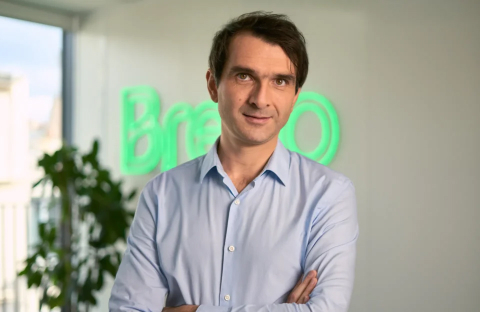
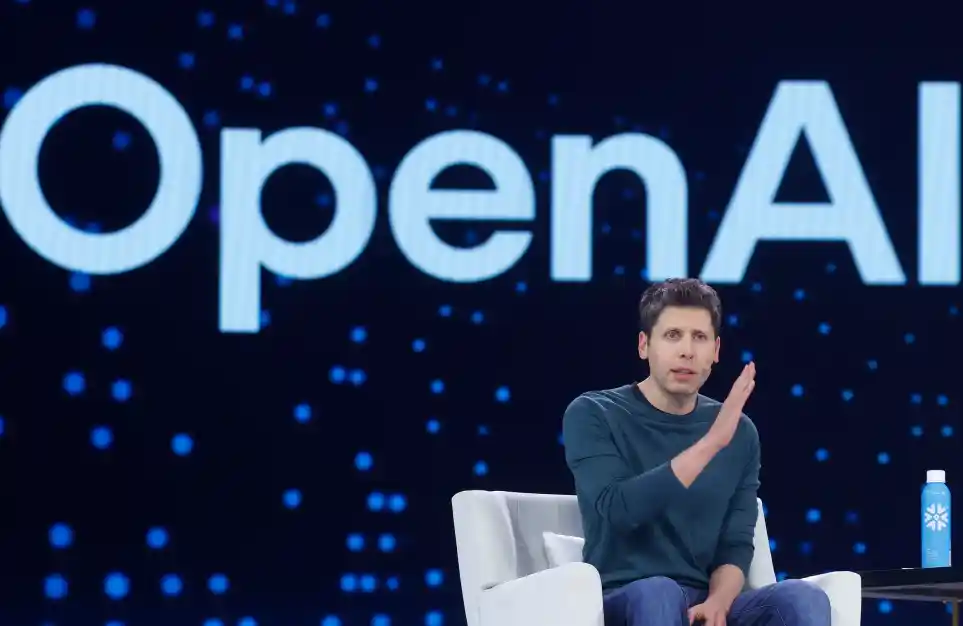
Merge Labs was co-founded by Sam Altman, a familiar name in tech circles thanks to his role at OpenAI. With Altman’s leadership and OpenAI’s backing, Merge Labs is positioned at the intersection of AI, neuroscience, and human computing.
Why OpenAI Is Investing
OpenAI’s investment in Merge Labs makes sense on several levels, especially when you think about how AI has evolved over the past few years:
1. Pushing Beyond Traditional Interfaces
Today, interacting with AI happens through keyboards, screens, and voice. But the ultimate goal for many AI researchers is an interface that feels seamless and intuitive. Brain-computer interfaces could be a step in that direction, enabling low-friction, natural interaction.
2. Deepening Human-AI Synergy
OpenAI’s mission has always been about building tools that expand human capability. BCI technology ties directly into this mission by potentially amplifying how humans express intention and creativity through AI.
3. Strategic Positioning in Next-Gen Tech
AI is rapidly advancing, but pairing it with novel hardware interfaces represents a longer-term frontier. Early investment in Merge Labs positions OpenAI to remain relevant not just in software, but in the combined hardware-software future.
4. Leadership Trust and Vision
Sam Altman’s continued influence and vision are clearly assets. OpenAI’s willingness to invest in a startup led by a former CEO demonstrates confidence in leadership and strategic alignment on where the future could be headed.
Why Brain-Computer Interfaces Matter
BCIs have long been a topic of futuristic speculation, but recent advancements in neuroscience, machine learning, sensor technology, and signal processing have brought them into real research and early product tests. The promise is clear:
- Faster, more natural interaction with digital systems
- Accessibility tools for people with mobility or speech impairments
- Enhanced cognitive augmentation and assistance
- New modes of creativity and expression with AI tools
For example, rather than typing a query into search or typing commands into generative tools, a user could think of a question or intention and have the system respond instantly. At a higher level, business users could access insights, developers could write code, and creators could generate ideas using less effort and fewer physical intermediaries.
These use cases still require major breakthroughs in both hardware and software, but companies like Merge Labs are investing in that long view.
What This Means for AI and Tech in 2026
OpenAI’s support of Merge Labs underscores a broader trend: major AI players are not just optimizing models or scaling compute. They are exploring what the future interface to those models might look like.
For mainstream users, that could take years to surface in everyday products. But from a strategic point of view, early involvement matters. It ensures that when BCI technology matures, companies like OpenAI will have both insights and influence over how it is integrated with AI ecosystems.
It also signals to other players in tech that AI is not a finished story. The next chapter is not just smarter models, but more intuitive ways of interacting with them.
What to Watch Next
This investment opens several points to watch in the months and years ahead:
- How Merge Labs demonstrates early prototypes or real-world use cases
- OpenAI’s broader ecosystem integration strategy for BCI technology
- Regulatory and ethical frameworks as mind-to-machine tech becomes more tangible
- Competitive responses from other AI and hardware players
BCI technology raises fascinating and complex questions about privacy, intent, and human autonomy. Who gets access, how data is protected, and how AI interprets intention will all be critical discussions as this field evolves.
Final Take for TechInsighter Readers
OpenAI’s investment in Merge Labs is more than just funding another startup. It highlights how the next wave of AI interaction may move beyond screens and keyboards toward direct connection with human thought.
This is strategic, forward-looking tech at its core. It does not replace current AI interfaces overnight, but it points toward a future where interacting with intelligent systems feels more natural, immediate, and deeply integrated with human cognition.
If you follow AI, human-computer interaction, or the next phases of digital transformation, this development deserves attention. The bridge between neuroscience and artificial intelligence might be the next big leap in how we work, create, and connect with technology. In many ways, the future is thinking in code, not typing it.