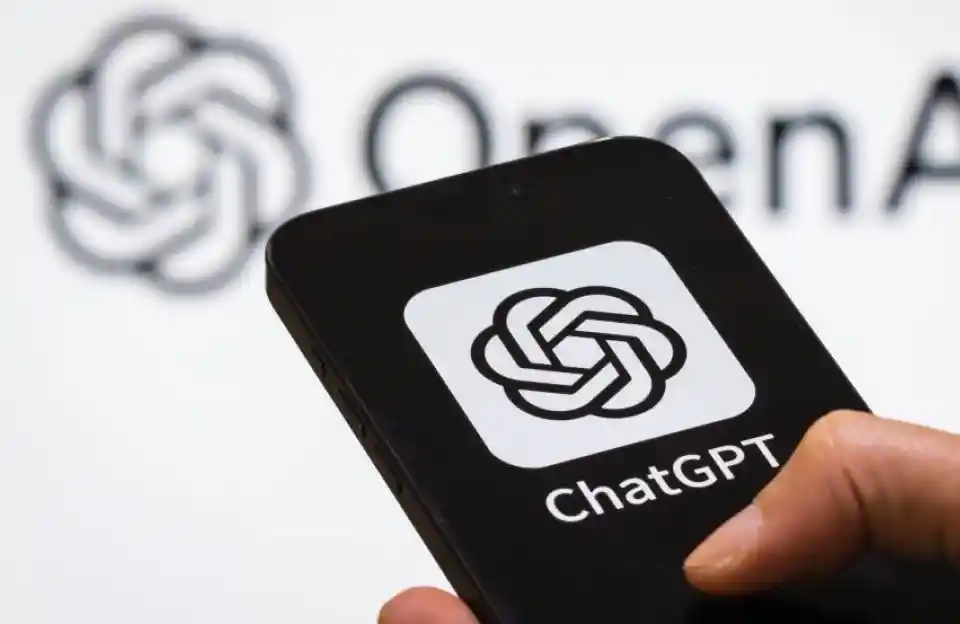
For years, people have been asking ChatGPT questions about symptoms, treatments, diet, fitness, mental health, medications, and more. The new ChatGPT Health initiative takes that organic use case and builds a focused experience around it. Instead of a generic AI assistant that tries to answer everything, ChatGPT Health aims to provide more health-specific guidance, backed by curated information and training that improves its understanding of medical context.
OpenAI says the feature is meant to help with everyday questions, general guidance, and learning more about health topics. It is not a replacement for doctors, but it is a tool that can help people make better sense of information and prepare for conversations with real clinicians.
Why People Are Turning to AI for Health Questions
The 230 million weekly health queries is a striking figure. That level of volume shows that people are looking for quick, understandable, and accessible health information. There are several reasons for this trend:
- Traditional health information sites can be dense and full of medical jargon.
- Search engines return a mix of high quality and low quality sources, leaving people unsure what to trust.
- Many health concerns are personal or sensitive, and people feel more comfortable asking a private AI than typing into a search bar.
- AI provides conversational responses that feel more like talking to a human.
This kind of usage has pushed OpenAI to recognize health as a distinct category deserving its own product identity and capabilities.
What ChatGPT Health Will and Will Not Do
ChatGPT Health is designed to give users informative and easy-to-digest explanations. For example, it can help you understand what a symptom might mean, what common treatments are used for certain conditions, or how lifestyle changes can affect wellness. It can also help you interpret complex health articles or medical terms.
But it is important to emphasize what ChatGPT Health is not. It is not a tool for:
- Diagnosing medical conditions
- Replacing professional medical advice
- Prescribing medications
- Providing emergency health guidance
OpenAI is clear that people should always consult qualified healthcare professionals for diagnosis and treatment. ChatGPT Health is meant to support users with context and general understanding, not to act as a clinician.
Safety and Accuracy Challenges
Health information is sensitive, and mistakes can have serious consequences. That means ChatGPT Health needs strong guardrails and careful handling of medical knowledge. OpenAI will likely use:
- Trusted medical sources and vetted datasets
- Clear disclaimers and safety warnings
- Continuous updating of knowledge as medical guidance evolves
This is an area where many AI teams struggle. Balancing helpful, accurate information with responsible limitations is hard, and mistakes can erode trust quickly. Users will need to understand the boundaries of what AI health tools can provide.
How This Fits Into a Bigger Trend
OpenAI is not the only tech company exploring AI for health questions. Over the last few years, big tech firms have steadily integrated medical and wellness queries into their AI services. But ChatGPT Health represents a move toward dedicated vertical AI services — meaning AI that specializes deeply in one domain rather than trying to be everything for everyone.
For users, that could mean interfaces optimized for health topics, features that make it easier to track wellbeing over time, and integrations with wearable or health data sources in the future.
For healthcare providers, it opens opportunities to use AI to streamline patient education, triage questions, and support staff workflows.
What Regular Users Should Expect
If you are someone who has ever asked ChatGPT about sore throats, workout plans, anxiety symptoms, or medication guidelines, you will likely appreciate ChatGPT Health. You can expect:
- More tailored answers for health topics
- Clearer explanations with relatable language
- Possibly better context and follow-up guidance
- A dedicated space for health subject matter
However, you should also use it as a starting point, not a final authority. Always cross-check important advice with medical professionals or trusted health resources.
Final Take for TechInsighter Readers
OpenAI’s move with ChatGPT Health feels like a natural evolution of how people are already using AI. With hundreds of millions of health queries each week, there is clearly demand for better, more structured guidance in this space. What OpenAI is offering is not a doctor in a box, but a smart informational companion that can help people understand their own health questions better.
The real challenge going forward will be ensuring accuracy, safety, and trust. If OpenAI handles that balance well, ChatGPT Health could become a powerful tool for millions of people seeking clarification in a complex world of medical information.
Health is personal and important, and support from reliable tech tools has never been more welcomed. ChatGPT Health may not replace professional care, but it can help people be more informed and confident when they talk to real doctors.
In an age where information overload is normal, having an AI you can talk to about your health is not just convenient. It might help a lot of people make better decisions about their wellbeing.